Texts
FOREWORD
2012
YoungJoo Lee | Director od ARARIO GALLERY
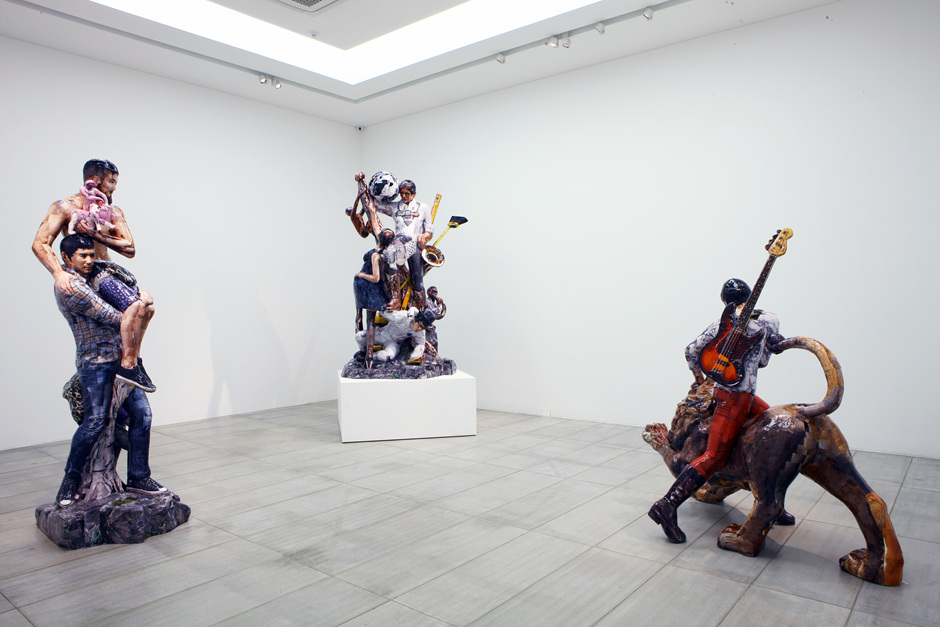
Exhibition view of《Osang Gwon》 ©ARARIO GALLERY
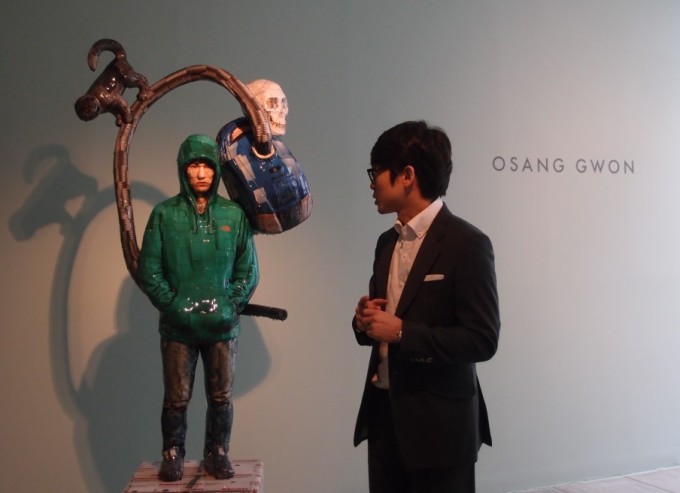
Gwon Osang is considered the pioneer of a new genre in
sculpture, with his on-going research in three different types of form
including ‘Deodorant Type’, ‘The
Sculpture’, and ‘The Flat’ series.
In particular, his photo sculptures ‘Deodorant Type’ series—in
which photographs of the subject are glued onto the actual form of the subject
made of light material such as Styrofoam—has become a
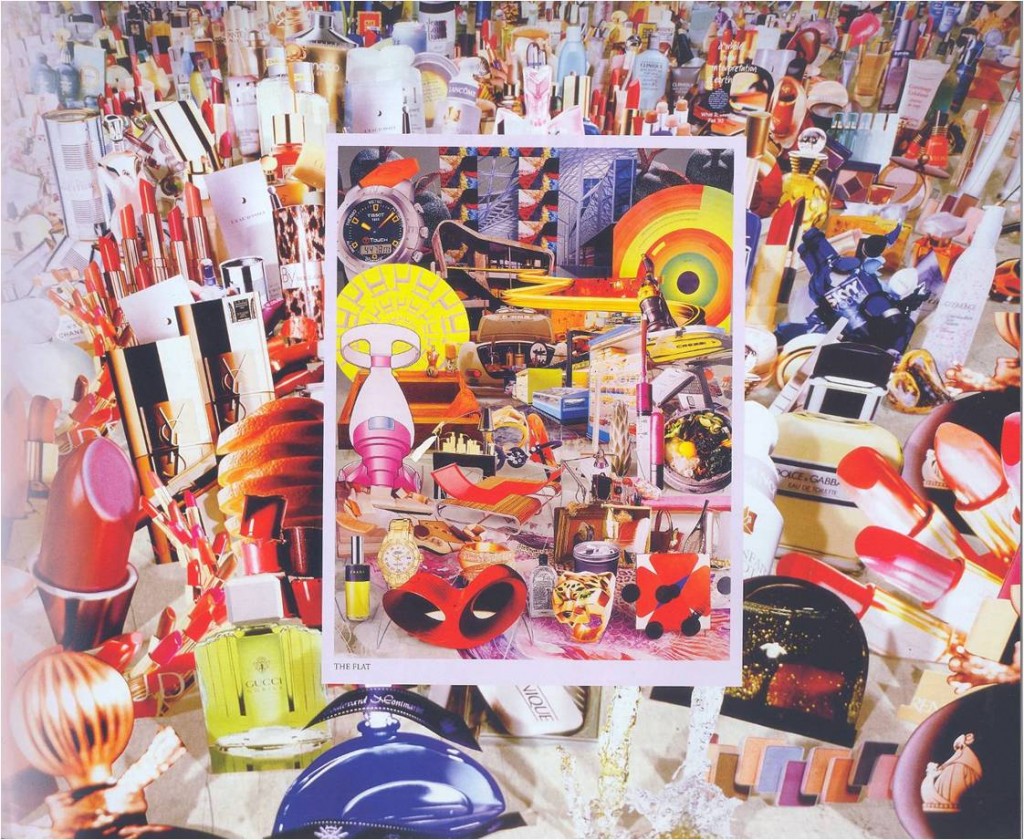
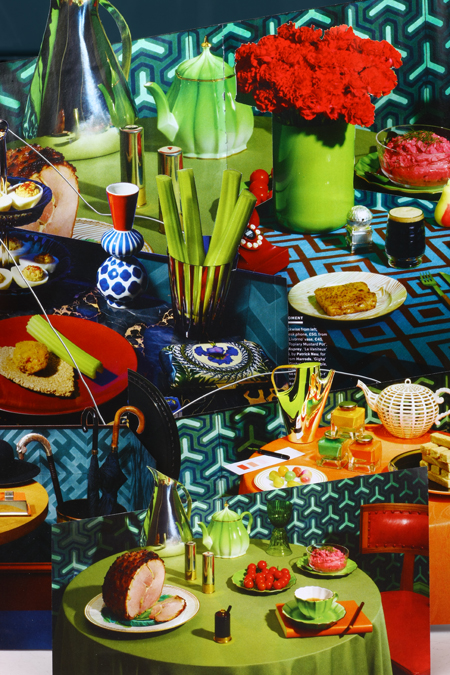
widely-recognized work that reinvents the flat into sculptural. ‘The Flat’ series presents advertisement
images that are cut out from magazines, mounted on a flat surface,
re-photographed, and then assembled in one image. While representing the
subject, Gwon’s works repeatedly transform back and
forth between two-dimensional photograph and three-dimensional sculpture,
freely crossing over boundaries of flat and sculpture, real object and its
image, and reality and fantasy.
The interesting aspect about this solo exhibition by Gwon
is that most of the photographic images, the main component of the sculptures,
were originally gathered by surfing the internet. Gwon boldly gives up the splendid details of
high-resolution photographs as seen in his previous photo sculptures, and
embraces images of various resolutions found on the internet. Upon closer look,
one can clearly see the shattering of pixels which occurs when an image is
blown up in size. The photography’s
aesthetic and directive role in completing the sculpture is replaced by the
pixel and its role of transforming a subject in media world to sculpture in
reality.
Gwon’s
new working process using internet media mimics ‘searching
on the internet’, which is the fastest and easiest way
to find information today. Search results easily found on-line propose
surface-level solutions to people today looking for quick answers. This also
reflects Gwon’s fascination on trickery of deodorants,
something which conceals a certain smell and replaces it with a new scent, and
demonstrates why Gwon titles his sculptural works Deodorant Type series.
Thus, the infinite assemblage of on-line images of a certain subject actually
reflects a third-person perspective which conceals the truth of the subject.
The recent works from ‘The Flat’ series is completed by cutting out all images from one
magazine and putting them together on a flat surface. Monthly magazines are
filled with countless products and their images, which have been elaborately
and strategically refined in order to spark the consumerist desires. Putting
all the images together on one surface, Gwon’s work demonstrates a compact summary of public desires
of a certain period. Activating the imagination, these images in dark lines
have been intentionally re-captured with a lower-resolution camera,
transforming the inflated and provocative images from magazines into unclear
images.
As opposed to the
existing photo sculptures of individual human forms, the three new works in
this exhibition including the ‘Busts’, ‘The Flat’ series and ‘Deodorant Type’
series, constitute a combined assemblage of human bodies and animals in various
postures. Measuring over 3 meters tall, the sculpture of different subjects
entangled into one reveals its grandiose form within a tight structure. While
seemingly referencing the human body posture and structure of traditional Greek
sculptures, Gwon’s
works also reflect the stereotypical position of modern attire and
advertisement in media today.
In addition, the lion in the large scale
sculpture is created by combining many images of lions from the media. This
exhibition demonstrates Gwon’s ability to transcend
time and space, and the artist’s proposition of a new
methodology of contemporary sculpture which can represents any subject.
Writings
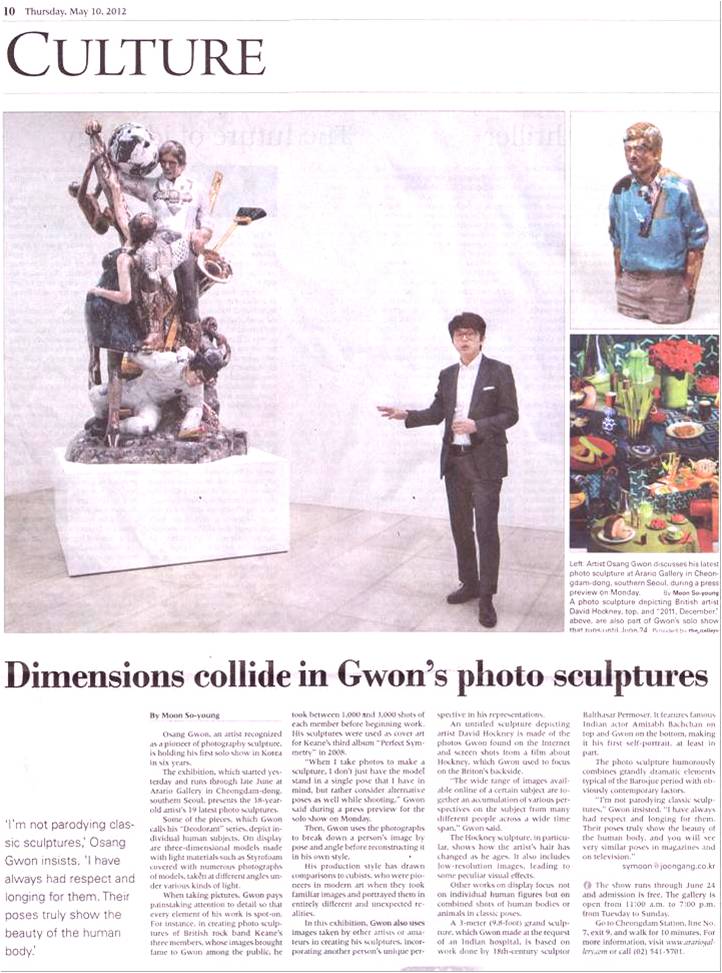
Articles
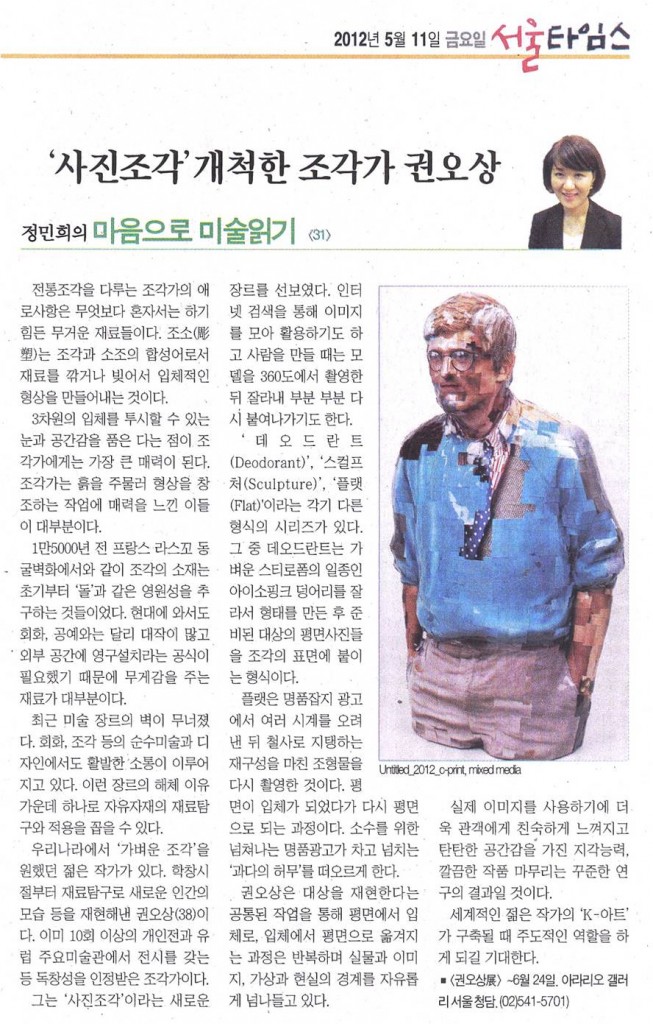
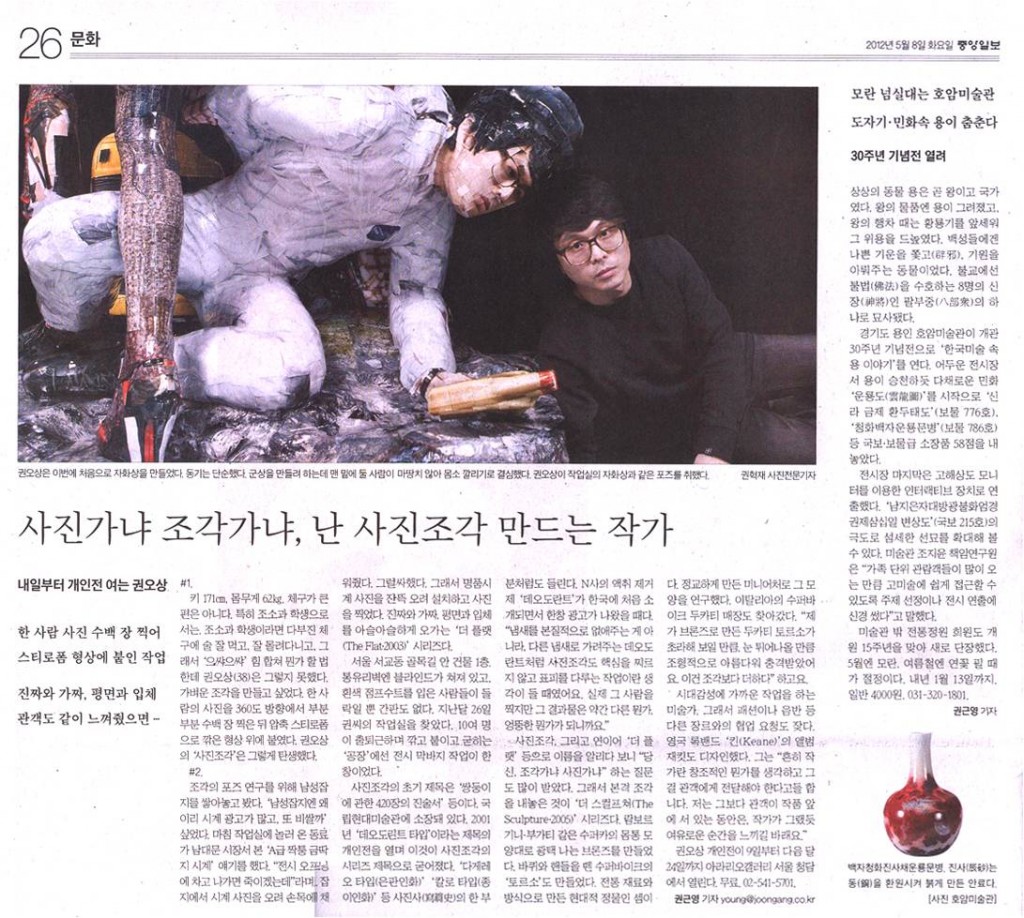
사진가냐 조각가냐, 난 사진조각 만드는 작가
한 사람 사진 수백 장 찍어 스티로폼 형상에 붙인 작업. 진짜와 가짜, 평면과 입체. 관객도 같이 느껴줬으면
2012.05.08